
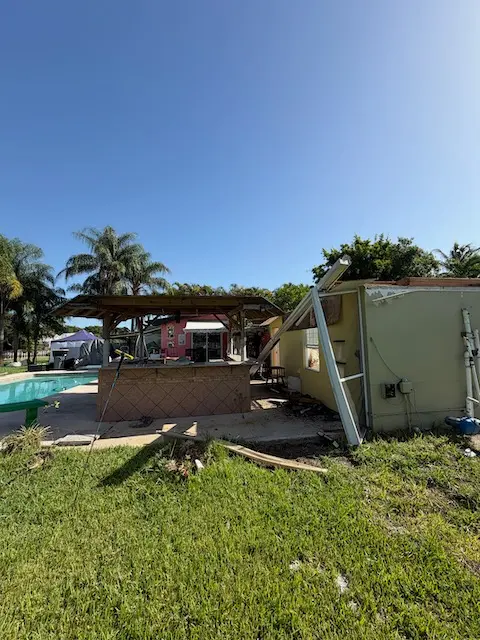

Property damage caused by hurricanes, flooding, fires, or plumbing failures can disrupt daily operations, threaten building safety, and create unexpected expenses. However, the damage itself is not always the biggest challenge. The decisions made during recovery can determine whether a property is restored effectively or develops additional problems. Understanding common building restoration mistakes after property damage prevents homeowners and commercial property owners from putting their investment at risk, and helps them control costs, and make informed decisions throughout the repair process.
Successful restoration requires more than replacing damaged materials or making a building look presentable. It involves assessing the affected areas, identifying underlying problems, coordinating qualified professionals, and establishing a realistic recovery plan. With professional construction management, property owners can approach restoration with greater organization, clearer expectations, and a stronger focus on long-term building performance.
1. Starting Repairs Before Assessing the Full Extent of Damage
One of the most expensive mistakes is beginning visible repairs before understanding the full scope of the damage. A ceiling stain may indicate a larger moisture problem, while cracked drywall could conceal damage to framing or insulation. After a fire, smoke and soot may affect areas beyond the immediate source. Repairing only what is visible can leave hidden structural or environmental issues unresolved.
A thorough inspection helps establish which repairs are necessary and which specialists should be involved. Depending on the incident, the assessment may include structural components, electrical systems, plumbing, moisture levels, and potential mold growth. Before committing to a reconstruction strategy, property owners should obtain a documented evaluation and prioritize immediate safety concerns. This approach reduces unexpected repair costs and helps prevent repeated work later.
3. Selecting a Contractor Only Based on Price
A low estimate can appear attractive when property damage has already created financial pressure. However, selecting a contractor solely because the initial price is the lowest can expose owners to incomplete work, unclear exclusions, poor communication, or additional charges. A meaningful comparison should consider qualifications, experience, insurance, references, project scope, and the proposed approach to restoration. These damage repair contractor tips can help property owners evaluate providers beyond their initial quotes.
Before signing an agreement, request a detailed written estimate that identifies the work included, anticipated materials, payment terms, project schedule, and procedures for approving changes. Confirm licensing and insurance where applicable, and ask how subcontractors will be coordinated. It is also important to understand who will communicate updates and resolve problems. Choosing a contractor that guarantees transparent pricing and clear accountability can help reduce uncertainty throughout the project.
4. Ignoring Structural Problems and Building Safety
Cosmetic repairs should never take priority over unresolved structural concerns. Floodwater, prolonged moisture exposure, fire, and severe storms can affect foundations, support members, roof assemblies, and other critical building components. Covering cracks, repainting damaged surfaces, or installing new flooring without addressing the underlying cause can conceal problems rather than solve them. A proper structural restoration checklist starts with safety and a qualified assessment of potentially compromised components.
Property owners should arrange appropriate professional inspections whenever damage raises concerns about structural stability, electrical safety, or other building hazards. Repairs involving load-bearing elements or significant structural changes may require engineers, permits, and specialized contractors. The correct scope depends on the building and the nature of the incident. Prioritizing structural integrity and code compliance helps establish a sound foundation for the rest of the property restoration work.
5. Overlooking Moisture, Mold, and Secondary Damage
Water damage can continue affecting a building long after standing water disappears. Moisture trapped behind walls, beneath flooring, or inside insulation may contribute to material deterioration and microbial growth. Similarly, fire damage may involve lingering smoke residue and odors that ordinary surface cleaning cannot adequately address. Failing to investigate these secondary effects can undermine otherwise successful repairs and create recurring property damage.
Property restoration should address the source of the problem as well as its visible consequences. Depending on the circumstances, this may involve water extraction, professional drying, moisture monitoring, removal of unsalvageable materials, or appropriate remediation. Repairs should proceed only when affected areas are suitably prepared for reconstruction. A coordinated damage mitigation strategy helps reduce the likelihood of rebuilding over unresolved conditions that could lead to further disruption.
6. Failing to Document Damage and Coordinate Insurance
Another common mistake is beginning extensive demolition or reconstruction without adequate records of the property’s original condition. Photographs, videos, inspection reports, repair estimates, receipts, and written communications can help establish what happened and what work was required. Incomplete documentation may complicate discussions with an insurer, especially when the extent of damage changes after repairs begin. Maintaining organized project documentation helps owners track decisions and substantiate expenses.
Whenever possible, document the damage before non-emergency work begins, while never delaying urgent measures needed to protect people or prevent additional loss. Review the insurance policy, understand applicable deductibles and exclusions, and communicate with the insurer about required procedures. Coverage decisions remain subject to the individual policy and claim circumstances. Strong insurance and contractor coordination helps clarify responsibilities and reduces the risk of misunderstandings about approved work and payment.
7. Using Inappropriate Materials or Rushing the Final Work
Choosing materials based only on appearance or immediate availability can compromise a restoration project’s durability. For example, replacement materials must be suitable for the location, exposure conditions, and intended use. Repairs may also fail when installers rush preparation, overlook manufacturer requirements, or skip necessary inspections. These mistakes can lead to premature deterioration and additional expenses, making quality control during reconstruction essential.
A realistic schedule should allow sufficient time for proper installation, curing, inspections, and corrective work when necessary. Owners should review material specifications, verify that completed work matches the agreed scope, and request clarification about unresolved defects. A final walkthrough can identify incomplete items before the project is formally closed. Prioritizing long-term performance over quick cosmetic results helps protect the value and usability of the restored property.
Plan Your Building Restoration With TRM Construction Management
Recovering from property damage can involve complicated decisions, multiple contractors, scheduling challenges, and technical requirements. At TRM Construction Management we provide construction management and general contracting services, including building restoration, commercial construction, and reconstruction for customers across the Treasure Coast area including communities like Port Saint Lucie, Palm Beach, Vero Beach and Fort Pierce. We also offer a turnkey approach that coordinates planning, design work, construction, schedules, and applicable permitting requirements, helping clients manage projects from beginning to completion.
Furthermore, we offer restoration capabilities related to water damage, fire and smoke, mold remediation, storm damage, and commercial restoration. Our experience includes substantial hurricane-related restoration and demolition projects in Florida. For property owners evaluating a damaged building, working with a team that can coordinate construction activities may help bring greater structure to the recovery process.
Avoid Costly Restoration Mistakes and Protect Your Investment
The most successful building restoration projects begin with a thorough assessment, realistic planning, qualified contractors, and consistent oversight. Avoiding common building restoration mistakes after property damage can help reduce preventable delays, address hidden problems, and support a more reliable reconstruction process. From reviewing a structural restoration checklist to correcting restoration planning errors, every decision should contribute to the property’s safety, functionality, and long-term value.
In case your residential property or commercial property has been damaged, do not leave recovery to guesswork. Seek qualified professional guidance, establish a clear scope of work, and evaluate contractors on their experience, communication, and ability to coordinate the project.
Contact us to explore construction management and property restoration solutions tailored to your building’s needs and take the next step toward a more organized recovery. In addition, you can follow us through our LinkedIn profile to keep updated about our services.