
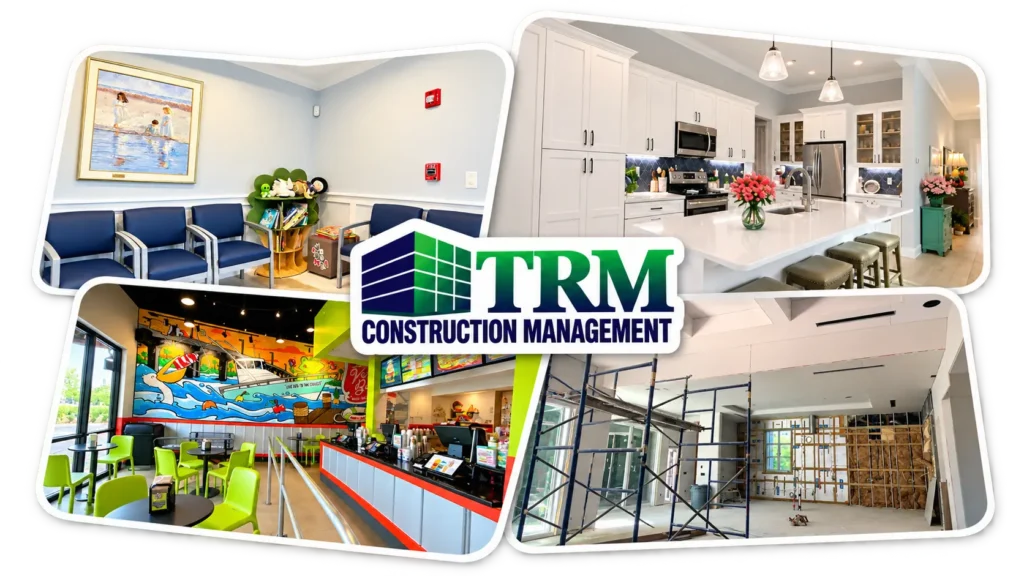
Restoring a damaged property involves complex decisions that affect safety, construction quality, and long-term performance. Whether damage results from hurricanes, flooding, fire, or structural deterioration, choosing a qualified building restoration contractor for damaged properties is essential. Unfortunately, certain restoration mistakes can create additional expenses, delay reconstruction, and compromise completed repairs.
At TRM Construction Management, we understand the importance of detailed planning and professional construction oversight. Established in 1991, our company provides commercial construction, residential construction, restoration, and general contracting services throughout Port St. Lucie and the Treasure Coast. Our experience in disaster recovery and construction management helps property owners approach reconstruction with greater confidence.
1. Failing to Conduct Comprehensive Damage Assessments
One common mistake involves beginning reconstruction before evaluating the property’s condition. A property damage restoration contractor should identify visible deterioration, potential structural concerns, and damaged building systems before developing a repair strategy. Overlooking concealed damage can lead to incomplete restoration and additional expenses.
Professional building damage assessments may require inspections by structural engineers, electricians, or other qualified specialists. Evaluating foundations, framing, roofing components, and interior conditions helps establish appropriate repair priorities. Thorough assessments support accurate planning and reduce unexpected complications during construction.
2. Overlooking Hidden Moisture and Water Damage
Water intrusion can affect building materials long after visible moisture disappears. During storm damage building repair, contractors sometimes underestimate the extent of water penetration behind walls, beneath flooring, or within insulation. Installing new finishes before resolving these problems can result in recurring deterioration.
Effective moisture damage restoration requires identifying the water source, evaluating affected materials, and confirming that necessary mitigation is complete. In Port St. Lucie’s humid climate, proper moisture management is particularly important for protecting reconstructed interiors and maintaining building integrity.
3. Using Inappropriate Structural Repair Methods
Structural deterioration requires specialized knowledge and carefully selected repair techniques. A building restoration contractor for damaged properties should never assume that cosmetic repairs can resolve compromised framing, damaged concrete, or weakened load-bearing components. Inappropriate methods may create additional safety concerns.
Professional structural restoration services involve evaluating damaged elements and coordinating repairs according to engineering recommendations when necessary. TRM Construction Management brings extensive general contracting experience to restoration projects, supporting organized reconstruction and collaboration between qualified construction professionals.
4. Underestimating Restoration Budgets
Incomplete financial planning can disrupt even straightforward reconstruction projects. A property damage restoration contractor should consider demolition, materials, specialized labor, permits, inspections, and potential unforeseen conditions when preparing construction estimates. Excluding important expenses creates unrealistic expectations for property owners.
Detailed restoration project budgeting helps establish financial transparency before major work begins. TRM Construction Management emphasizes coordinated project planning and construction oversight, helping clients understand anticipated requirements. Regular budget reviews also allow property owners to evaluate necessary adjustments before approving additional work.
5. Ignoring Building Codes and Permit Requirements
Another significant mistake involves proceeding without confirming applicable construction regulations. Storm damage building repair may require permits and inspections, particularly when roofing systems, structural components, plumbing, or electrical installations need substantial reconstruction.
Experienced contractors should coordinate building code compliance with the appropriate Port St. Lucie authorities. Verifying requirements before construction helps prevent unnecessary delays, correction notices, and additional expenses. Proper documentation also supports accountability throughout the restoration process.
6. Poor Communication and Contractor Coordination
Restoration projects frequently involve several specialized professionals working simultaneously. Without effective coordination, structural restoration services can experience scheduling conflicts, duplicated activities, or misunderstandings about construction responsibilities. These problems may increase expenses and extend completion timelines.
At TRM Construction Management, our integrated construction management approach combines general contracting with comprehensive project oversight. We coordinate planning, schedules, subcontractors, and construction activities to support clearer communication. This organized process helps property owners remain informed throughout reconstruction.
7. Prioritizing Speed Over Restoration Quality
Property owners naturally want damaged buildings restored quickly, especially when businesses must resume operations. However, rushing storm damage building repair can result in overlooked inspections, insufficient preparation, or improperly completed installations.
A dependable building restoration contractor for damaged properties should balance efficiency with workmanship and safety. TRM Construction Management has participated in major hurricane recovery projects, including restoration following Hurricane Irma. Our experience demonstrates the importance of structured recovery planning and professional coordination.
8. Neglecting Long-Term Building Performance
Some restoration projects concentrate exclusively on repairing visible damage without evaluating underlying vulnerabilities. A qualified property damage restoration contractor should consider whether existing conditions could contribute to future deterioration or repeated damage.
Appropriate structural restoration services may include improved waterproofing, durable replacement materials, and suitable reinforcement measures. Evaluating these opportunities during reconstruction can help property owners protect their investments and improve long-term building functionality.
Avoid Property Restoration Mistakes in Port St. Lucie
Avoiding common restoration mistakes requires thorough assessments, realistic budgets, qualified specialists, and organized construction management. Choosing an experienced building restoration contractor for damaged properties helps establish a reliable foundation for recovery.
If your property requires reconstruction or storm damage building repair, visit TRM Construction Management to explore our professional restoration services.
Contact us today to analyze your project in Port St. Lucie and discover how experienced construction management can help restore your property with confidence. In addition, you can follow us through our LinkedIn profile to keep updated about our services.