
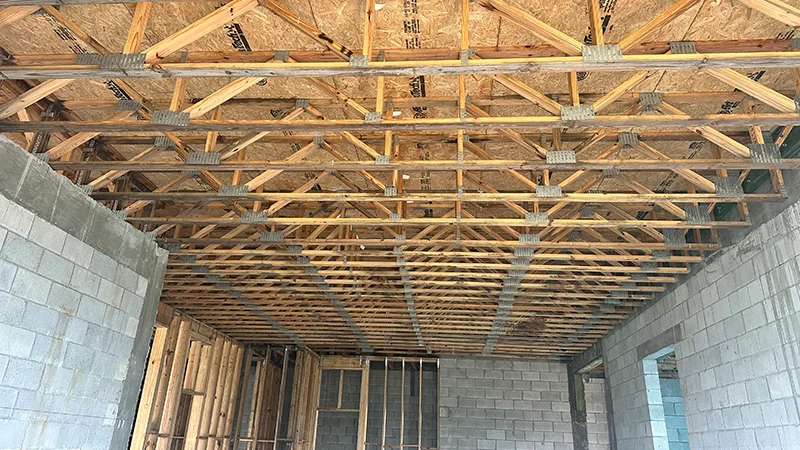
When undertaking a construction project in the Port St. Lucie area, effective construction document control is not an optional extra—it is an essential foundation for success. From managing daily field records to coordinating the larger project file workflows, firms must stay rigorous in how they track, report, and archive work. If you’re looking for a partner who knows the region and understands the stakes, consider the benefits offered by TRM Construction Management—a full-service construction management firm that handles everything from design through build with disciplined documentation and reporting systems.
Next, we’ll expose some important considerations to ensure your project in Port St. Lucie thrives, guided by strong document systems and reporting disciplines.
1. Establish Robust Document Control From Day One
Right at project kickoff, you should define your document control workflow. Without this, miscommunication and data-loss become real risks. By setting up structured file repositories, version-controlled drawings, and transmittal logs, you’ll give your team a consistent backbone for tracking deliverables and changes.
Document control systems should integrate with your on-site documentation systems — so the data collected in the field (photos, daily logs, RFIs) ties directly into your master repository. This ensures that when it’s time for build progress reporting, the numbers, status updates and visual evidence all align. TRM Construction Management emphasizes this kind of organized lifecycle coordination: they bring a full scope of planning, design and build under one roof, eliminating many of the hand-off gaps.
2. Link Field Capture to Build Progress Reporting
A major pitfall in many projects is collecting site-photos and logs—but failing to convert them into meaningful build progress reporting. If you capture field data but don’t systematically tie it back to schedule milestones, budget slips or project timelines, you lose the strategic value.
Good build progress reporting does three things:
- It shows where you were vs. where you planned to be.
- It flags issues early (delays, scope creep, coordination failures).
- It allows decision-makers to act (budget reallocations, schedule adjustments, resource shifts).
On a project in Port St. Lucie, you want a local partner who not only records what’s happening, but provides project file coordination to interpret it for you. TRM’s approach to construction management shows that they monitor all aspects of the building process—scheduling work, procuring materials, coordinating trades—to reduce risk and improve clarity.
3. Keep Project File Coordination Active Through All Phases
Document control isn’t just about storing files—it’s about coordinating all the pieces of your project file ecosystem: drawings, permits, logs, progress reports, approvals, change orders, submittals. For a build in Port St. Lucie, you’ll want to maintain clarity across every stakeholder — owner, architect, subcontractors, suppliers.
Important practices:
- Centralized repository: one source of truth for everything.
- Versioned drawings and change log history.
- Linked workflows that move from field capture → office repository → reporting to leadership.
- Regular audits / checkpoints to validate that what was scheduled, what was built, and what was documented all align.
When you select a firm like TRM Construction Management, you benefit from their full-service model: they coordinate planning, design and build so your documentation cycle remains continuous and integrated, reducing risk of silos or miscommunication.
4. Tailor Your Approach to the Port St. Lucie Market
Working in Port St. Lucie brings specific local nuances: permitting timelines, trade availability, coastal conditions, and local building standards. Your document control and reporting setup should reflect the region’s realities.
For example:
- Capture delivery and installation of materials that may be subject to climate or coastal exposure.
- Ensure your logs include details relevant to the Florida regulatory landscape (e.g., hurricane-prep, storm damage readiness).
- Adopt reporting cadence that matches trade mobilizations and phases common in this region.
- Choose a construction management partner who has deep experience in the local market and understands local challenges.
TRM Construction Management is headquartered in Port St. Lucie, Florida and has deep regional experience, delivering custom homes, commercial projects and restoration work. Their local presence brings valuable understanding of the community, regulations and build environment.
Getting Everything Covered for Construction Document Control and Reporting in Port St. Lucie
If you are intending to carry out a construction project in Port St. Lucie and you recognize the importance of rigorous construction document control, integrated build progress reporting, dependable on-site documentation systems, and comprehensive project file coordination, then the time to act is now.
Reach out to TRM Construction Management to explore how they can bring these systems to life, keep your project on track, within budget, and fully documented from start to finish. With their local presence and full-spectrum service model, they offer the clarity, coordination, and results you need.
Contact TRM Construction Management today to set your documentation and reporting systems on the right path—and build with confidence in Port St. Lucie.In closing, remember: success in construction is not just about completion—it’s about documentation, tracking, reporting and coordination. As you move forward in Port St. Lucie, put strong document control and reporting services at the heart of your strategy and choose a partner who makes it seamless.