
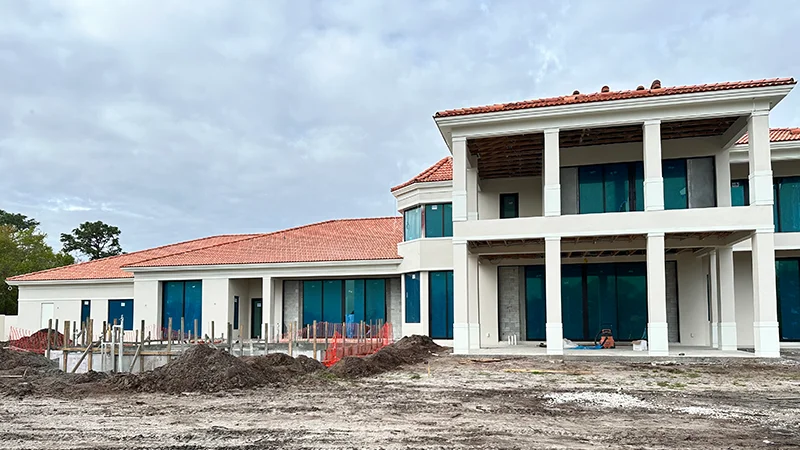
In the fast-paced construction environment of Palm City, project success depends heavily on accurate documentation, organized workflows, and real-time communication. Yet many contractors, property owners, and even project managers still believe misconceptions about construction document control and the systems needed to support it. These myths often lead to delays, cost overruns, miscommunication, and unnecessary confusion.
To build smarter, faster, and more efficiently, it’s essential to separate fact from fiction. Whether you manage commercial projects, residential builds, or custom developments, understanding the realities behind document control, build progress reporting, and project file coordination can strengthen your overall project performance. Companies like TRM Construction Management, a respected construction management firm serving the Treasure Coast, exemplify the organized, transparent, and detail-driven approach that modern projects demand.
Below are the most common myths surrounding construction documentation and reporting—and the truth behind each one.
Myth 1: Construction Document Control Is Just About Filing Paperwork
Reality: Construction document control is a strategic, organization-wide system.
Many people believe document control simply refers to storing paperwork or archiving old project files. In reality, effective construction document control is a central part of project planning, coordination, communication, and execution.
It includes:
- Managing version-controlled drawings
- Tracking approvals and revisions
- Organizing contracts, permits, and inspections
- Coordinating change orders
- Ensuring teams work from the same set of documents
Firms like TRM Construction Management follow structured processes to ensure that all project documentation—from design plans to final reports—is streamlined and accessible, supporting a smooth workflow from start to finish.
Myth 2: Build Progress Reporting Only Matters for Large Projects
Reality: Every project, big or small, needs clear progress tracking.
Some assume that build progress reporting is only necessary for large commercial or multi-phase projects. But even smaller builds in Palm City require detailed progress reports to prevent delays and confusion.
Accurate progress reporting helps:
- Keep clients informed
- Align teams on schedule expectations
- Identify issues early
- Support budgeting and decision-making
TRM Construction Management places heavy emphasis on progress tracking and schedule oversight, helping clients understand exactly where their project stands at all times.
Myth 3: On-Site Documentation Systems Slow Down the Field Crew
Reality: Strong on-site documentation systems actually speed up the job.
Some field teams worry that taking photos, documenting work, and completing daily logs will interrupt productivity. But modern construction documentation is fast, mobile-friendly, and essential for accuracy.
When used properly, these systems help teams:
- Resolve issues quicker
- Prevent rework by capturing real conditions
- Communicate more effectively with the office
- Track material deliveries and inspections
- Document safety and compliance requirements
TRM Construction Management promotes clear field documentation to support quality control and ensure smooth coordination between office and jobsite.
Myth 4: Email Is Enough for Project File Coordination
Reality: Email quickly becomes unmanageable in construction projects.
Email threads get lost, messages get buried, and attachments get outdated. Relying solely on email for project file coordination is one of the most common and costly mistakes teams make.
Better systems allow you to:
- Store files in a centralized, version-controlled repository
- Track changes and approvals
- Share updates instantly
- Avoid outdated drawings being sent to the field
- Keep all stakeholders aligned
TRM Construction Management utilizes professional coordination practices that ensure access to current information for everyone besides reducing the error rate.
Myth 5: Only the Project Manager Needs Access to Documentation
Reality: Document access is essential for the entire project team.
Proper construction document control ensures that owners, subcontractors, architects, suppliers, and inspectors all have access to the information they need—when they need it.
Limiting access leads to:
- Miscommunication
- Bottlenecks
- Repeated questions and delays
- Mistakes caused by outdated documents
A transparent system keeps the project moving smoothly. TRM Construction Management believes in open communication and consistent updates to ensure clarity at every stage.
Myth 6: Technology Solutions Are Too Complicated to Use
Reality: Modern documentation tools are intuitive and user-friendly.
Today’s construction technology is designed specifically for field teams and busy project managers. Mobile apps, cloud platforms, and digital reporting tools are simple, fast, and require little training.
These tools enhance productivity by:
- Automating tasks
- Improving accuracy
- Reducing manual paperwork
- Offering real-time document access
TRM Construction Management understands the value of efficient systems and integrates technology in ways that simplify—not complicate—the construction process.
Myth 7: Document Control Only Matters During Active Construction
Reality: Documentation affects every stage—including planning and close-out.
Construction document control influences:
- Preconstruction planning
- Design coordination
- Permitting and inspections
- Submittal reviews
- Construction timelines
- Project close-out documents
Good documentation ensures a smooth build and provides essential records for future maintenance, warranties, and compliance.
Debunking Myths Related to Construction Document Control and Reporting in Palm City
Understanding the myths surrounding construction document control, build progress reporting, on-site documentation systems, and project file coordination is essential for anyone building in Palm City. By embracing accurate documentation and disciplined processes, project teams can significantly improve quality, communication, and efficiency.
TRM Construction Management—backed by more than 30 years of construction experience in Florida—embodies these principles. Their structured, transparent approach ensures that clients receive dependable oversight, detailed documentation, and exceptional project management from start to finish.