
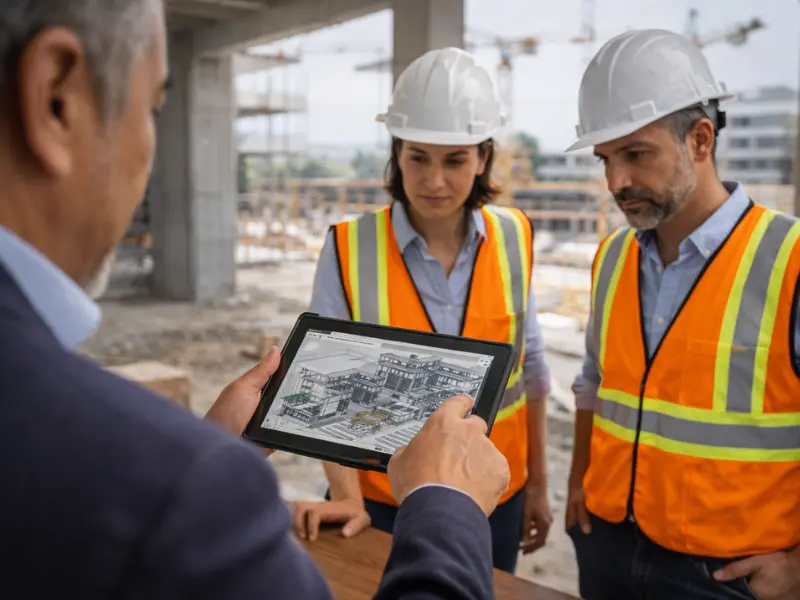
In Fort Pierce, many property owners assume that once they hire a design team, the project will naturally move forward in a smooth and organized way. In reality, collaborative project planning requires far more than simply putting architects and engineers on the same job. It demands structure, communication, and a shared process for making decisions early. Without that foundation, projects can drift into confusion, duplicated effort, and preventable revisions.
Myth #1: Collaboration Only Matters After Design is Complete
A common myth is that real coordination can wait until drawings are mostly finished. That idea creates problems because multi-disciplinary design input is most valuable at the beginning, not at the end. Early planning is where teams can identify conflicts, test feasibility, and adjust design strategies before time and money are wasted. Waiting too long to involve key disciplines often leads to redesign work, delayed approvals, and field complications that could have been avoided with better alignment upfront.
This is especially important in Fort Pierce, where projects may involve site constraints, local permitting considerations, and budget pressures that influence every decision. Strong engineering team integration helps ensure technical systems, structural logic, site requirements, and design intent are reviewed together instead of in isolation. By the time problems are noticed, solutions are usually more expensive and harder to implement.
Myth #2: More Meetings Mean Better Planning
Another widespread misunderstanding is that frequent meetings automatically equal good collaborative project planning. Meetings can help, but only if they produce clear outcomes, updated documentation, and accountability. Too many projects rely on conversations without building a reliable decision-making system behind them. When that happens, teams leave with different interpretations, outdated assumptions, or unresolved questions that quietly grow into design conflicts.
What really improves results is disciplined architectural coordination supported by timely follow-up and transparent communication. Every revision, approval, and technical clarification must be documented and shared across the team. Otherwise, the project may suffer from inconsistent drawing sets, overlapping responsibilities, or missed scope details.
Myth #3: Architects and Engineers Can Solve Everything Without Construction Input
Many owners believe that design professionals can fully resolve project strategy before construction expertise is brought into the conversation. While design leadership is essential, this myth weakens multi-disciplinary design input by excluding practical field knowledge too early. Construction sequencing, material availability, permitting timelines, and cost conditions all affect how well a design can move from concept to reality. When planning happens without those considerations, the team may unintentionally develop solutions that look strong on paper but become difficult or expensive to execute.
Myth #4: Collaborative Planning is Only for Large or Complex Projects
Some owners assume collaborative project planning is mainly useful for major developments, while smaller commercial projects or custom builds can move ahead with a looser process. In reality, smaller projects often have even less room for error. One missed coordination issue can disrupt the entire timeline or force expensive revisions because budgets and contingencies are tighter. Good planning is not about project size. It is about protecting the investment and reducing avoidable risk.
The value of architectural coordination applies across project types, from commercial improvements to custom residential work. In TRM Construction Management we offer design and construction oversight besides services tied to quality assurance, timeline oversight, bid support, and integrated project management. Those details reinforce an important point: the more disciplined the planning process is, the more likely the project is to move forward with clarity and control.
Myth #5: Collaboration Slows The Project Down
This myth sounds logical on the surface. Bringing more people into the planning process may seem like it adds time. In practice, effective engineering team integration usually saves time because it exposes conflicts before they become expensive field problems. Delays often come from uncoordinated drawings, unclear approvals, missing scope decisions, or last-minute redesign, not from thoughtful collaboration. When planning is organized well, the project gains speed because fewer issues interrupt progress later.
That is why multi-disciplinary design input should be seen as an efficiency tool rather than an obstacle. Owners in Fort Pierce often need dependable progress, cost visibility, and stronger quality control from day one. In TRM Construction Management we offer integrated solutions, proactive oversight, open communication, and a commitment to keeping clients informed throughout the process which helps turn planning into predictable execution.
Debunking Myths Related to Fort Pierce Projects
The biggest myths around collaborative project planning usually come from underestimating how much coordination a successful project truly requires. In Fort Pierce, owners who rely on assumptions instead of process often encounter misalignment, redesign, and budget pressure that could have been prevented. Strong architectural coordination, reliable engineering team integration, and early multi-disciplinary design input create a more stable path from concept to completion.
For businesses, developers, and owners who want a smoother planning experience, the goal should not be to involve more voices without structure. The goal should be to create a coordinated system where every discipline contributes at the right moment and decisions are managed with clarity.