
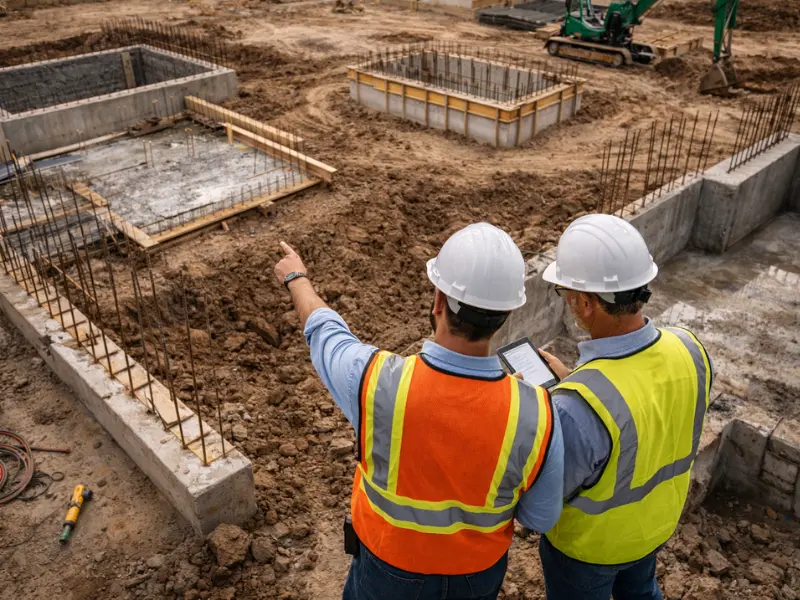
Construction milestone tracking is one of the most effective ways to keep building projects organized, transparent, and aligned with their intended timelines. For developers, property owners, and businesses in Jensen Beach, implementing construction milestone tracking helps ensure that every stage of a project—from planning to final completion—is monitored through clearly defined checkpoints.
Instead of focusing on every small daily task, milestone tracking highlights the most important project achievements. These checkpoints allow construction teams to verify that critical phases have been completed successfully before moving forward. When combined with progress documentation systems, this process provides a clear record of progress while improving communication between contractors, project managers, and stakeholders.
At TRM Construction Management, our construction professionals apply structured milestone frameworks to help Jensen Beach projects stay organized, efficient, and aligned with project goals.
Construction Milestone Tracking Begins During Project Planning
Effective construction milestone tracking begins early in the planning phase of a construction project. At this stage, project teams identify the key achievements that will define progress throughout the build.
These milestones may include events such as design approvals, permit approvals, site preparation completion, structural framing, system installations, and final inspections. By defining these checkpoints during the planning stage, construction managers establish clear project checkpoint management that guides the entire project timeline.
Milestones should be specific and measurable. For example, instead of a vague milestone such as “design phase,” teams define milestones like “architectural design approved” or “engineering plans submitted for permitting.” These clearly defined goals create structured milestone accountability for everyone involved in the project.
Establishing these milestones early ensures that project teams have a roadmap that aligns all stakeholders from the beginning.
Progress Documentation Systems Support Milestone Visibility
Once milestones are defined, effective construction milestone tracking relies heavily on reliable progress documentation systems. These systems allow project managers to monitor progress and maintain clear records of milestone achievements.
Documentation tools often include:
- Project management software with interactive schedules
- Visual timelines showing milestone progress
- Digital progress reports shared with stakeholders
- Inspection reports and approval records
- Construction phase completion summaries
Through these progress documentation systems, teams maintain real-time visibility into project status. Project owners in Jensen Beach can easily understand how the project is advancing and which phases have been completed.
Many construction teams also use Gantt charts to visualize project timelines. These charts allow teams to display only the most important milestones, simplifying the schedule and making progress easier to track.
Build Stage Oversight Through Visual Project Timelines
As construction progresses, the build stage oversight plays a critical role. Visual timelines help project managers monitor each phase of construction while ensuring the project remains aligned with planned schedules.
Project management tools allow construction teams to create interactive timelines that clearly display milestone completion. These timelines provide a simple overview of the project’s progress and help teams quickly identify areas that may require adjustment.
Another important tool used during this phase is the Work Breakdown Structure (WBS). This method divides large construction projects into smaller components, making complex workflows easier to manage. By organizing tasks into manageable sections, teams can identify milestone points that signal the completion of each major phase.
This type of build stage oversight is particularly valuable in Jensen Beach, where coastal conditions and permitting requirements may influence construction schedules. With a well-organized milestone framework, project managers can maintain better control over project timelines.
Project Checkpoint Management Using Milestone Reports
Besides visual tools, construction milestone tracking often includes milestone reports that summarize progress at key stages of a project. These reports provide clear updates for property owners, developers, and project stakeholders.
Milestone reports typically include:
- Phase completion confirmations
- Inspection approvals and sign-offs
- Construction progress summaries
- Updated timeline forecasts
- Identification of potential delays or risks
Through consistent project checkpoint management, these reports ensure that all stakeholders remain informed and aligned with project expectations.
Regular milestone reviews are typically conducted during project meetings, where construction managers evaluate whether the project remains on schedule. If adjustments are necessary, teams can update schedules and coordinate resources accordingly.
These milestone reports also help maintain transparency between contractors and property owners, reinforcing accountability throughout the construction process.
Best Practices for Effective Construction Milestone Tracking
To maximize the value of construction milestone tracking, construction professionals follow several best practices that help maintain clarity and efficiency throughout a project.
1. Keep Them Visible
One important practice is ensuring that milestone schedules remain visible to all stakeholders. When team members have access to milestone timelines, coordination improves, and potential scheduling issues can be identified earlier.
2. Make Milestones Concise
Another key principle is keeping milestones concise. Rather than tracking every minor activity, milestone schedules focus only on major project achievements. This ensures the schedule remains easy to understand and useful for high-level planning.
3. Review Them Regularly
Regular milestone reviews are also essential. Project teams typically evaluate milestone progress during weekly meetings to confirm that the project remains aligned with its planned schedule.
By combining clear milestone definitions with effective progress documentation systems and consistent reviews, construction managers maintain strong oversight and accountability throughout the project.
Why Construction Milestone Tracking Benefits Jensen Beach Developments
Construction projects in Jensen Beach often involve multiple contractors, regulatory approvals, and coordination between specialized trades. Because of these complexities, construction milestone tracking becomes a valuable tool for maintaining project organization.
Some of the key benefits include:
- Improved project visibility for stakeholders
- Faster identification of potential scheduling issues
- Better coordination between contractors and subcontractors
- More accurate reporting of project progress
- Greater accountability across construction phases
These advantages make milestone tracking an essential component of professional construction management.
Work with TRM’s Experienced Construction Management
Successful construction projects require more than skilled labor and quality materials—they require careful planning, clear reporting, and structured monitoring. Construction milestone tracking provides the framework needed to guide projects from initial planning through completion.
By working with experienced construction management professionals, property owners and developers in Jensen Beach gain access to organized project coordination, transparent milestone reporting, and efficient construction scheduling.
Don’t leave your project success to chance. Call (772) 905-2727 today to schedule a consultation with our experienced Jensen Beach team and ensure your build stays on track.
Follow us on social media to see our projects in real time: Facebook – LinkedIn.