
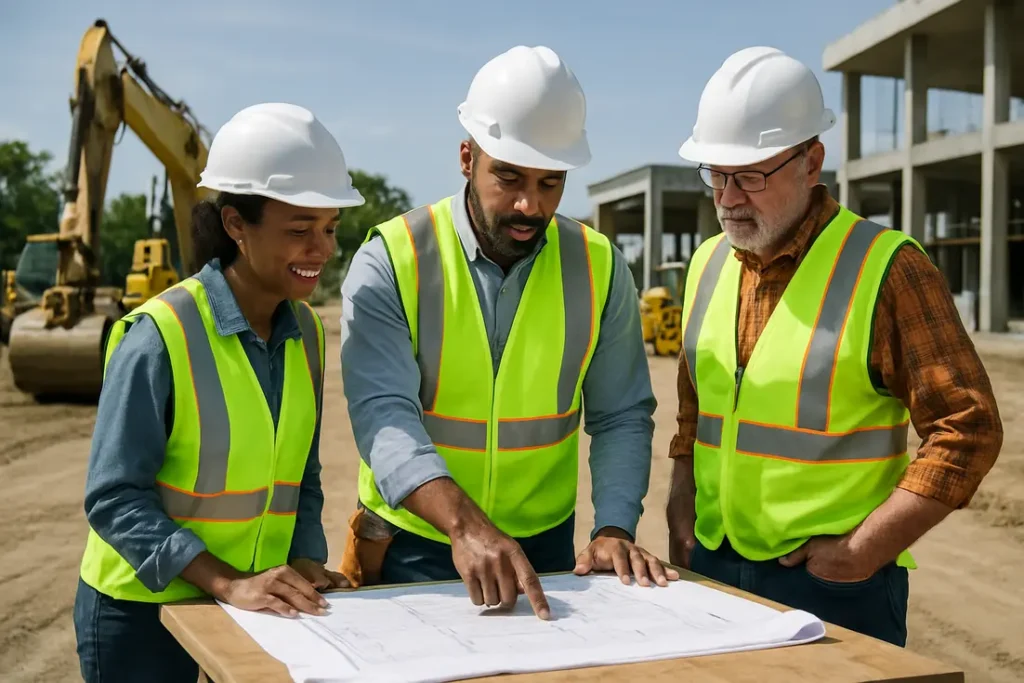
The construction industry is at a turning point. More property owners, developers, and municipalities are demanding projects that do more than simply get built; they want buildings that perform responsibly over decades. Sustainable construction planning is no longer a niche consideration; it is a core framework that guides how modern commercial and residential projects are designed, executed, and maintained from the ground up.
At TRM Construction Management, a full-service commercial general contractor and construction management firm based in Florida, sustainable practices are woven into every phase of a project, from initial planning and design through final delivery and beyond. Whether the scope involves a large commercial build, a custom home, or a complex restoration project, the principles of environmental responsibility and long-term efficiency drive better outcomes for clients and communities alike.
What Sustainable Construction Planning Actually Means
There is a common misconception that sustainable construction planning simply means choosing recycled materials or installing solar panels. In practice, it is a comprehensive strategy that touches every layer of a project’s lifecycle, from site selection and material procurement to energy systems design and eventual deconstruction planning.
True sustainability in construction considers three interconnected pillars: environmental impact, resource efficiency, and community well-being. A project earns its “green” designation not just by what materials it uses, but by how those materials are sourced, how waste is managed on-site, how workers are protected, and how the finished structure serves its occupants and surrounding neighborhood over time.
For a construction management firm like TRM, this holistic approach translates into careful pre-construction analysis, tight coordination across architects, engineers, and subcontractors, and ongoing oversight that keeps sustainability targets and eco-conscious build strategies aligned with schedule and budget realities.
Pre-Construction and Site Strategy: Where Sustainable Construction Planning Begins
The most impactful sustainability decisions happen before a single foundation is poured. Eco-conscious build strategies begin in the pre-construction and design phases, where choices about site orientation, natural lighting, and ventilation can dramatically reduce a building’s lifetime energy consumption.
A south-facing commercial structure in Florida, for example, can be oriented to maximize passive solar gain in winter while incorporating deep overhangs that reduce cooling loads in summer. This simple design decision pays dividends in energy savings for decades. Similarly, thoughtful site selection can minimize grading, drainage disruption, and habitat loss, reducing both environmental impact and overall project cost.
TRM’s design/build service model integrates architects and engineers into a single coordinated team, which means sustainability goals are established early and carried through consistently, rather than retrofitted awkwardly at later stages. This is especially valuable for commercial construction projects, where regulatory requirements and stakeholder expectations around energy performance continue to increase.
Green Material Sourcing: Reducing Embodied Carbon from the Start
One of the most measurable contributions a construction team can make to sustainability is through green material sourcing. The embodied carbon in building materials, most commonly known as the greenhouse gas emissions generated during their extraction, manufacturing, and transportation, can account for a significant portion of a building’s total carbon footprint before occupancy even begins.
Sustainable construction planning involves prioritizing locally sourced materials, thereby reducing transportation emissions and supporting regional economies. Specifying recycled-content products, sustainably harvested timber, or low-carbon concrete alternatives directly reduces the environmental burden of the structure itself. For projects where certain materials must be imported, a knowledgeable contractor can evaluate alternatives that maintain performance standards while lowering carbon impact.
TRM’s experience across commercial builds in South Florida and the Treasure Coast positions our team to source from a vetted regional supplier network, reducing lead times, minimizing freight emissions, and maintaining quality control. This is a practical advantage that directly supports green material sourcing goals without compromising project timelines.
Resource and Waste Management on the Job Site
Construction sites are historically significant generators of waste. Demolition debris, packaging materials, off-cuts, and unused product can add up to thousands of tons across a mid-size commercial project. Sustainability in construction workflow demands a disciplined approach to waste prevention and diversion.
The “6 Rs” framework (Reduce, Reuse, Recycle, Rethink, Refuse, and Repair) provides a practical structure for job site waste management. Ordering materials with precision to minimize surplus, salvaging reusable components during demolition, segregating recyclable waste streams, and rethinking design details that generate unnecessary off-cuts are all strategies that can be implemented with proper sustainable construction planning and subcontractor coordination.
TRM’s complete oversight model means one team manages the full project flow, reducing the communication gaps between phases that often lead to redundant orders, material damage, and unnecessary disposal. Clients working with our construction management services benefit from this integrated accountability, which keeps both waste and costs under control.
Water and Energy Efficiency: Designing for Long-Term Performance
Beyond materials, Eco-conscious build strategies that focus on water and energy efficiency have a lasting impact on operating costs and environmental performance. These straightforward measures help you reduce dependence on municipal water and reduce energy consumption through your building project:
- Rainwater harvesting systems
- Low-flow plumbing fixtures and drought-tolerant landscaping
- High-performance HVAC systems
- Superior insulation packages
- LED lighting infrastructure
In Florida’s climate, where cooling loads dominate energy bills for the majority of the year, building envelope performance is especially critical. Specifying high-performance windows, air-sealing details, and continuous insulation during the design phase can meaningfully reduce mechanical system sizing requirements, thereby lowering upfront equipment costs and long-term energy use.
For commercial clients, sustainable construction planning translates directly into lower operating expenses and higher property values. TRM’s successful commercial building projects reflect a consistent focus on delivering buildings that perform well not just at ribbon-cutting, but through years of daily operation.
Social Value and Community Impact: The Human Side of Eco-conscious Build Strategies
Sustainability in the construction workflow is not exclusively an environmental calculation. A truly sustainable project also considers the health and well-being of the workers who build it, the community that surrounds it, and the occupants who will use it for generations.
On the job site, this means prioritizing worker safety through rigorous safety management protocols, providing proper facilities and working conditions, and minimizing noise and dust impacts on surrounding properties. In the broader community, it means engaging with local stakeholders, respecting neighborhood character, and designing buildings that genuinely serve their occupants rather than simply maximizing rentable square footage.
TRM’s track record of community involvement reflects our culture where social responsibility extends beyond the job site fence line. This same ethic informs TRM’s approach to project planning: with the awareness that buildings exist within communities, not apart from them.
Ready to Build Greener? Start with the Right Partner.
Sustainable construction planning is most effective when it begins with the right team. TRM Construction Management brings the expertise, systems, and regional knowledge to help Florida property owners and developers achieve their sustainability goals without sacrificing schedule, quality, or budget performance.
Contact our team today to discuss your next commercial or residential project and discover how a turnkey approach can make every phase of your build more efficient, more responsible, and more successful.
Follow us on social media to discover more about our capabilities, how we can help your building project, and stay updated on our latest projects: LinkedIn | Facebook