


Recovering a commercial facility after significant damage requires an experienced team capable of managing complex logistical and structural challenges. The orange blossom business center restoration demands precise coordination to return the property to full operational capacity while ensuring compliance with modern safety standards. Facility owners face a multitude of decisions regarding architectural integrity, material procurement, and timeline management during recovery efforts. By relying on a capable general contractor, stakeholders can focus on their core operations while experts handle the demanding phases of structural rehabilitation, guaranteeing that the final result aligns with original design intentions and upgraded resilience requirements.
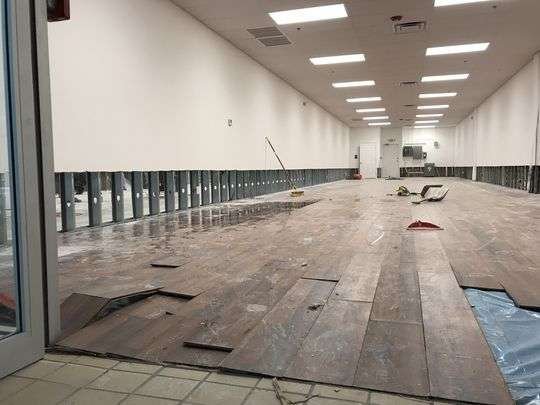
Evaluating Structural Damage After Severe Weather Events
Thorough damage assessment is the mandatory first step before initiating any recovery construction on a commercial property. Engineers and construction managers must carefully inspect the foundation, load-bearing walls, and roofing systems to identify hidden vulnerabilities caused by extreme environmental stress. Accurate evaluations prevent future liabilities and ensure that subsequent repair phases address the root causes of structural degradation rather than merely masking cosmetic issues. This detailed preliminary inspection phase serves as the foundation for creating an accurate budget and a realistic timeline for the entire rehabilitation effort.
Implementing Effective Commercial Hurricane Restoration Strategies
Coastal and storm-prone regions require specific methodologies to recover structures affected by intense wind and water intrusion. Successful commercial hurricane restoration involves specialized water extraction, mold remediation, and the reinforcement of exterior envelopes to withstand future climatic impacts. Construction managers implement phased recovery strategies that prioritize stabilizing the building structure before moving toward interior build-outs and finishing work. You can explore relevant construction management standards to understand how professional oversight mitigates risk during these complex structural interventions and protects long-term property investments.
Planning A Comprehensive Business Center Restoration Project
Organizing a large-scale rehabilitation requires a master schedule that accounts for material lead times, subcontractor availability, and mandatory municipal inspections. A well-planned business center restoration project integrates sophisticated project management software to track daily progress and financial expenditures, ensuring stakeholders remain informed at every critical milestone. TRM Construction Management provides continuous supervision throughout this phase, organizing specialized labor and equipment to maintain momentum. This proactive planning approach minimizes idle time on the job site and aggressively controls overall recovery costs.
Securing Necessary Permits For Commercial Rehabilitation
Navigating the bureaucratic landscape of local building departments is a notoriously challenging aspect of commercial property recovery. Obtaining the correct structural, electrical, and plumbing permits requires accurate architectural drawings and a deep understanding of current municipal codes. Experienced contractors manage this entire administrative burden, ensuring that every application is filed correctly and expedited whenever possible. Maintaining strict compliance with local authorities guarantees that the rehabilitated facility will pass all final inspections without costly rework or administrative delays.
Coordinating The Design And Construction Phases
Bridging the gap between architectural blueprints and physical execution requires meticulous oversight and constant communication among all project participants. Construction managers act as the central hub of information, translating complex design specifications into actionable daily tasks for specialized tradespeople. We oversee the entire design and construction process to ensure you get exactly what you want, preventing misunderstandings that typically lead to structural deviations. This integrated approach ensures that aesthetic goals are achieved simultaneously with rigorous engineering requirements.
Managing Timelines And Budgets During Facility Recovery
Financial oversight and schedule adherence are the primary concerns for property owners investing in large-scale structural rehabilitation. Effective budget management involves constant monitoring of material costs, labor rates, and unforeseen site conditions that frequently arise during demolition and repair phases. General contractors implement strict change-order protocols to prevent budget bloat, ensuring that all financial adjustments are documented and approved beforehand. Delivering the finished structure on time is paramount to minimizing revenue loss for facility owners and their prospective commercial tenants.
Ensuring Compliance With Local Building Codes
Every aspect of a structural rehabilitation must strictly adhere to the latest municipal and state building regulations, which frequently update following major weather events. General contractors take full responsibility for verifying that all electrical wiring, fire suppression systems, and accessibility modifications meet current legal standards. Through continuous site supervision and quality assurance protocols, managers prevent the installation of substandard materials or the execution of non-compliant labor. This rigorous enforcement of building codes protects the property owner from future legal complications and ensures occupant safety.
Maintaining Operational Continuity For Commercial Tenants
When structural rehabilitation occurs in a partially occupied facility, minimizing disruption to existing businesses requires strategic logistical planning. Construction teams implement advanced dust control measures, noise reduction schedules, and temporary utility bypasses to keep functional areas of the building operational. By isolating construction zones and scheduling heavy demolition during off-hours, contractors protect the daily operations of tenants. You can review examples of our past commercial restorations to see how phased execution strategies successfully balance aggressive construction schedules with tenant satisfaction.
Selecting The Right General Contractor For Rehabilitation
The success of a major facility recovery hinges directly on the competence and organizational capacity of the chosen construction management firm. Property owners must evaluate a contractor’s historical performance, financial stability, and established relationships with reliable local subcontractors. TRM Construction Management and Commercial General Contractor can coordinate and supervise your entire construction project, eliminating the need for owners to manage multiple independent vendors. Consolidating responsibility under one professional entity streamlines communication and establishes clear accountability for the final quality of the rehabilitated structure.
Finalizing Your Building Rehabilitation Strategy
Taking the final steps to initiate your facility recovery requires a comprehensive consultation to align your financial parameters with necessary structural interventions. Professional commercial construction services ensure that every phase of your project is completed on budget and with all the necessary licenses. If you are ready to stabilize your property and begin the recovery process, it is crucial to partner with experienced professionals capable of handling the entire scope of work. We encourage you to reach out and discuss your restoration needs with our dedicated team today to establish a clear path forward.