
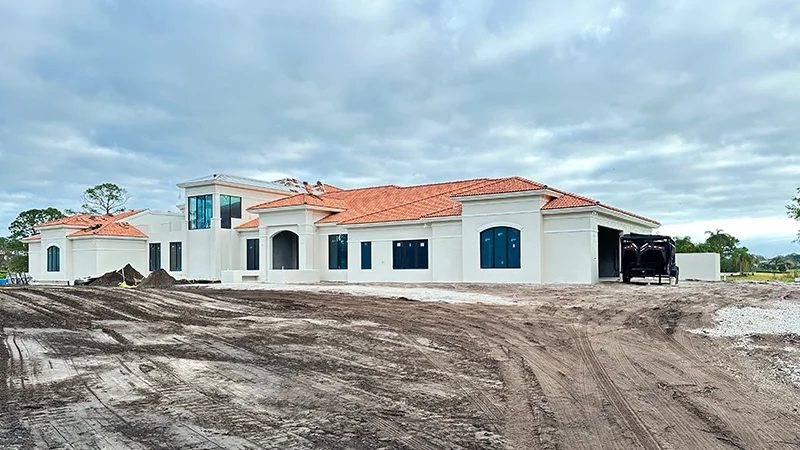
Construction projects in Hobe Sound—whether luxury residential builds, commercial developments, or full-scale renovations—depend heavily on accurate documentation, clear communication, and dependable reporting. When these elements are weak or inconsistent, project teams face delays, costly rework, safety risks, and budget overruns. The heart of this challenge lies in effective construction document control, a system that organizes, tracks, and coordinates all project information.
Yet even experienced contractors often fall into avoidable mistakes that compromise the integrity of their documentation process. Understanding these mistakes can help project owners and builders improve their workflow and strengthen outcomes. Companies like TRM Construction Management, which provides full-service construction management throughout the Treasure Coast, excel in preventing these issues through structured systems and proven oversight.
Below are the most common mistakes related to construction document control and reporting services in Hobe Sound—and how to avoid them.
1. Using Outdated or Inconsistent Documentation Methods
One of the biggest pitfalls in construction is relying on outdated processes such as handwritten logs, unorganized email threads, or loose paper files. These outdated methods make it nearly impossible to properly manage construction document control, especially on larger projects.
Problems resulting from outdated approaches include:
- Lost or damaged documents
- Inconsistent updates
- Difficulty tracking changes
- Slow information retrieval
Modern digital tools and established workflows keep documents accessible, accurate, and protected. TRM Construction Management prioritizes structured documentation processes, ensuring that every phase of a project—from design to close-out—is recorded systematically and professionally.
2. Missing or Inaccurate Build Progress Reporting
Build progress reporting plays a major role in ensuring a project stays on schedule and on budget. However, many contractors fail to establish consistent reporting standards or rely on vague updates that do not reflect the actual status of the work.
Common mistakes include:
- Reports lacking detail or photographic evidence
- Inaccurate percentage-completion estimates
- Delayed reporting that hides emerging issues
- Discrepancies between office records and field conditions
This lack of accuracy can quickly spiral into scheduling conflicts, budget overruns, and frustrated stakeholders. TRM Construction Management uses disciplined reporting practices and schedule oversight to keep clients informed with clear, verifiable updates throughout the project lifecycle.
3. Poor Project File Coordination Between Teams
To successfully manage a project, architects, contractors, subcontractors, inspectors, and owners must stay aligned. Without proper project file coordination, communication breaks down, and teams begin operating with different versions of plans, specs, and requirements.
Mistakes in this area typically include:
- Multiple versions of the same drawing circulating simultaneously
- Lack of clarity in the approval process
- Miscommunication regarding change orders
- Fragmented document storage between teams
Strong coordination procedures ensure that everyone works from the same information. TRM Construction Management approaches each project with a unified, full-service mindset, integrating planning, design, and build processes to eliminate these gaps.
4. Failing to Capture Accurate On-Site Documentation
Field documentation is a critical part of validating work, verifying compliance, and supporting progress reporting. Yet many teams struggle with inconsistent on-site documentation systems.
Typical errors include:
- Forgetting to log daily activities
- Missing photo documentation of key work stages
- Incomplete inspection or delivery logs
- Failing to record weather, safety issues, or delays
A weak on-site documentation system creates blind spots between the field and the office, leading to confusion and potential disputes. TRM Construction Management’s emphasis on organized field reporting helps to make sure every critical detail is being considered accurately and promptly.
5. Inefficient Communication Channels
Projects fall behind when documentation and communication are scattered across emails, texts, personal notes, and informal conversations. Without a consolidated communication system, important details get overlooked.
This issue leads to:
- Misunderstanding of responsibilities
- Delayed approvals
- Confusion among subcontractors
- Gaps between field execution and office decisions
By adopting structured communication protocols and integrated document workflows, teams can significantly reduce errors.
6. Lack of Accountability in Documentation Processes
When documentation responsibilities are unclear, tasks fall through the cracks. Without designated roles, the documentation process becomes disorganized.
Common accountability issues include:
- No clear chain of responsibility
- Incomplete documentation due to assumptions
- Lack of oversight on documentation quality
- Little to no enforcement of standards
TRM Construction Management solves this by maintaining tight oversight and clear leadership for all documentation and reporting tasks, ensuring that nothing is overlooked.
7. Not Providing Stakeholders with Access to Updated Documentation
Clients want transparency. When owners, inspectors, or partners cannot access updated information, it leads to confusion, distrust, and unnecessary back-and-forth.
Mistakes include:
- Delivering updates through slow or inconsistent channels
- Keeping progress information siloed
- Providing limited visibility into project changes
Transparent systems improve trust and decision-making. TRM Construction Management’s commitment to communication ensures that clients stay informed at every step.
Avoiding Mistakes Related to Construction Document Control and Reporting in Hobe Sound
Construction projects in Hobe Sound demand a high level of precision, coordination, and organization. Avoiding the common mistakes associated with construction document control, build progress reporting, on-site documentation systems, and project file coordination can dramatically improve project outcomes while reducing risk and frustration.
For builders and property owners seeking reliable oversight, TRM Construction Management stands out as a trusted partner. With over 30 years of experience and a full-service approach covering planning, coordination, design, and construction, TRM brings structure, transparency, and professionalism to every project.If you want to strengthen your documentation and reporting processes—and ensure your Hobe Sound construction project runs smoothly—TRM Construction Management provides the expertise, systems, and leadership needed for a successful build.