
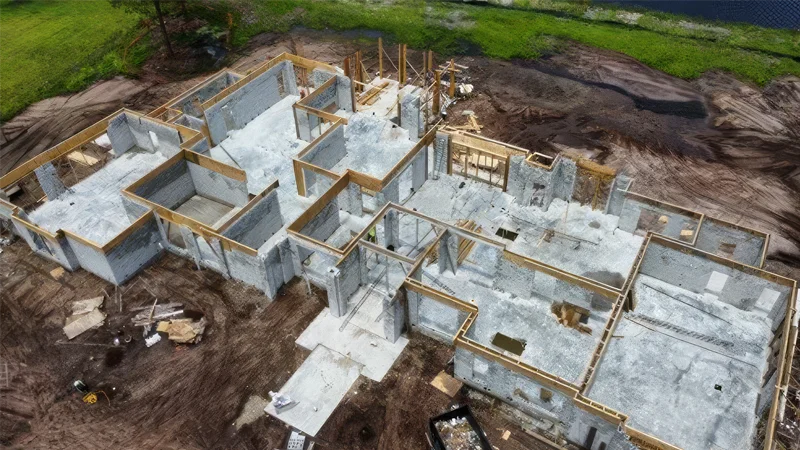
Okeechobee’s landscape is as promising for development as it is demanding. With its unique mix of rural expanses and growing residential demand, building here presents distinct challenges that differ from coastal urban centers. The very factors that make Okeechobee attractive—more space, a different pace—can lull project teams into a false sense of logistical simplicity. This often leads to preventable errors in construction workflow planning and site logistics management that erode profitability and strain timelines.
For contractors and developers in the area, recognizing and avoiding these common pitfalls is the first step toward achieving a seamless construction process flow. This article outlines the frequent missteps seen on Okeechobee job sites and provides a strategic framework for turning these potential weaknesses into strengths.
Mistake #1: Underestimating the Impact of Distance on Logistics
A primary error in Okeechobee is treating site logistics management as an afterthought, assuming that ample space negates the need for a detailed plan. The significant distance from major supplier hubs is a critical factor often overlooked.
- The Error: Failing to account for longer lead times for material deliveries. A “just-in-time” delivery model that works in a metropolitan area can fail spectacularly here, leaving crews idle and halting the entire construction process flow.
- The Consequence: Projects experience severe downtime. Crews are paid to wait, scheduled subcontractors are displaced, and the master schedule begins a cascading failure. Furthermore, without designated and protected staging areas, materials delivered early can be damaged by weather or equipment, leading to costly replacements and further delays.
Mistake #2: Poor Sequencing in a Sprawling Environment
Many assume that a larger site simplifies build sequence optimization. In reality, it often complicates it. A lack of spatial constraints can lead to a disorganized approach where efficiency is sacrificed for convenience.
- The Error: Allowing trades to work in any available area without a strict, overarching sequence. This often results in the “first-in, last-out” problem, where an early trade completes its work in one zone but must later return to another zone to finish, disrupting subsequent teams.
- The Consequence: The construction workflow planning falls apart. Electrical teams might have to trench through areas already graded by the sitework crew. The concrete pour for a foundation might be scheduled without a clear path for the ready-mix trucks, leading to last-minute re-routing and potential soil compaction issues. This lack of orchestration creates rework, conflict between subcontractors, and a significant waste of time and materials.
Mistake #3: Inadequate Communication and Process Flow
The relative isolation of some Okeechobee sites can exacerbate communication silos. Relying on informal chats and outdated paper plans is a critical mistake that disrupts the construction process flow.
- The Error: Failing to establish a single, reliable system for communicating changes to the construction workflow planning. A superintendent might verbally approve a change with one subcontractor, but fail to inform other trades that are impacted.
- The Consequence: This leads to direct clashes on site. For example, a plumbing crew might install lines where the electrical team had planned to run their conduit. The result is expensive demolition, reframing, and rerouting. This reactive mode of operation—fixing problems after they occur—is a major drain on project contingency funds and morale.
Partnering for Success: The TRM Construction Management Advantage
For many firms, implementing this level of disciplined planning requires dedicated expertise and resources that may be focused on field operations. This is where a strategic partnership with a specialized construction management firm becomes a powerful asset.
TRM Construction Management provides the structured methodology needed to avoid these common Okeechobee mistakes. Their approach is particularly effective because it is built on integration and foresight. TRM’s services directly address these pitfalls by focusing on:
- Proactive Site Logistics Management: They develop comprehensive, phased logistics plans during pre-construction, accounting for local factors like delivery lead times and weather, ensuring the site is always organized to support the workflow.
- Detailed Workflow Sequencing: TRM specializes in build sequence optimization that creates a clear, conflict-free path for all trades, turning a potentially sprawling site into a model of efficiency.
- Process-Driven Execution: By implementing and managing a robust construction process flow, TRM ensures consistent communication and documentation, eliminating the costly errors that stem from miscommunication.
Building Smarter in Okeechobee
The success of an Okeechobee construction project is often determined before the first piece of equipment ever mobilizes to the site. By recognizing the common mistakes in site logistics management and construction workflow planning, and by adopting a disciplined approach centered on build sequence optimization and a clear construction process flow, contractors can transform potential challenges into a competitive advantage.
Partnering with an expert like TRM Construction Management provides the framework and oversight to systematically avoid these errors, ensuring your project is characterized not by setbacks, but by smooth, predictable, and profitable execution.