
In the complex symphony of construction, two elements act as the conductor and the sheet music: site logistics management and construction workflow planning. When these components are meticulously designed and seamlessly integrated, projects hum with efficiency, safety, and profitability. When they are neglected, the result is a cacophony of delays, cost overruns, and safety hazards. For general contractors and project developers, mastering this integration is no longer a luxury; it is the fundamental differentiator between a successful firm and one that struggles to survive.
This article delves into how a strategic approach to construction workflow planning, powered by robust site logistics management, creates a streamlined construction process flow that drives projects to successful, on-budget completion.
The Foundational Link: Site Logistics and Workflow
At its core, construction workflow planning is the macro-level strategy for how a project will be built. It answers the “what” and “when” – defining the sequence of tasks, allocating resources, and establishing critical milestones. However, this plan remains theoretical without the “how” and “where,” which is the domain of site logistics management.
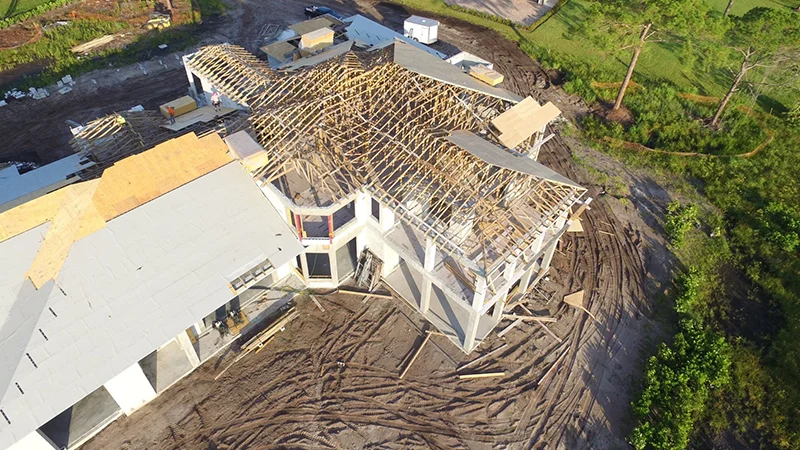
Site logistics management is the tangible implementation of the workflow plan. It encompasses the physical organization of the construction site: the placement of materials, the movement of personnel and equipment, site access points, temporary utilities, and crane locations. A flaw in the logistics plan—like a misplaced material laydown area—can disrupt the entire construction process flow, causing ripples of delay through subsequent trades.
Therefore, the most effective construction workflow planning is inherently spatial. It visualizes the workflow not just on a Gantt chart, but on the site plan itself, ensuring that the sequence of work is physically feasible and optimized for minimal conflict and maximum productivity.
Optimizing the Build: The Power of Build Sequence Optimization
A critical output of advanced construction workflow planning is build sequence optimization. This goes beyond a simple task list; it is a deliberate, analytical process of arranging construction activities in the most logical, safe, and efficient order. The goal is to create a continuous, uninterrupted construction process flow where each trade completes its work just in time for the next to begin, with clear pathways and workspace.
Key benefits of build sequence optimization include:
- Reduced Rework and Conflict: By sequencing trades effectively, you prevent situations where, for example, the drywall crew is working in an area that the electrical team needs to re-access. This minimizes damage and rework.
- Enhanced Safety: A well-organized site with a clear sequence is inherently safer. It reduces unnecessary movement of heavy equipment, prevents material congestion in work areas, and creates predictable traffic patterns.
- Improved Labor Productivity: Craftspeople spend more time installing and building, and less time waiting for materials to be moved or previous trades to finish. A smooth construction process flow eliminates frustrating bottlenecks.
- Accelerated Project Schedules: Build sequence optimization often reveals opportunities for overlapping activities or fast-tracking, shaving crucial weeks off the project timeline without increasing risk.
Leveraging Expertise: The TRM Construction Management Approach
For many firms, developing this level of integrated planning in-house can be a challenge due to resource constraints or the complexity of specific project types. This is where specialized expertise becomes invaluable. Partnering with a seasoned construction management firm can provide the strategic oversight needed to perfect the construction process flow.
Firms like TRM Construction Management exemplify this approach. With a focus on meticulous pre-construction and planning phases, TRM embeds construction workflow planning and site logistics management into the DNA of a project from day one. Their methodology emphasizes:
- Detailed Pre-Construction Analysis: Thoroughly mapping out the build sequence optimization before a single piece of equipment mobilizes to the site.
- Phased Logistics Plans: Developing comprehensive site logistics management strategies that are tailored to each distinct phase of the project, ensuring the site organization always supports the current work.
- Proactive Communication: Facilitating collaboration among all stakeholders to ensure the workflow plan is understood, agreed upon, and followed, maintaining the integrity of the construction process flow.
By engaging a partner like TRM Construction Management, project owners and contractors can tap into a depth of experience that systematically eliminates inefficiencies, turning a potentially chaotic construction site into a model of precision and productivity.
Planning as a Profit Center for Construction Projects in South Florida
In today’s competitive construction environment, superior construction workflow planning and diligent site logistics management are not just administrative tasks—they are direct contributors to the bottom line. The investment in detailed planning, particularly in build sequence optimization, pays exponential dividends through saved time, reduced waste, improved safety, and a predictable, smooth construction process flow especially in areas like Port St. Lucie, Palm Beach, Vero Beach, Okeechobee and Fort Pierce.
By treating logistics and workflow as two sides of the same coin, and by leveraging expert knowledge when needed, construction professionals can transform their project execution, delivering superior quality and value to their clients, every single time.